Athlete's Foot vs Dry Skin: Key Differences and Treatments
Do you struggle with dry and itchy feet? If so, then you may put the whole thing down to simply having dry skin, but there’s a good chance that it’s something much more serious. While dry skin and athlete’s foot may look similar at first, some distinctive differences set them apart.
This guide will cover the symptoms of both, as well as the treatments available, so you can start your road to recovery.
What is Athlete's Foot? How is it Different from Dry Skin?
Athlete’s foot, or tinea pedis, is a contagious fungal infection that thrives in warm and moist environments. Communal showers are often a breeding ground for it. A lot of the time, this foot fungus starts between the toes, but eventually it can spread to the rest of the foot, and in severe cases, the whole body.
On the other hand, dry skin, or xerosis, is non-infectious and occurs when your skin loses moisture. It can be caused by warm showers, dehydration, or cold weather. It also doesn’t spread from person to person.
What Causes Athlete’s Foot?
Athlete’s foot is often caused by fungi that multiply in damp or enclosed areas. Take a look below to see some top causes, so you can protect yourself moving forward.
Walking Barefoot in Public Showers or Gym Lockers
Walking barefoot in public showers or even in gym locker rooms will increase your likelihood of developing athlete’s foot.
Tight-Fitting Socks or Shoes
As tight-fitting socks and shoes tend to create moist environments, this makes it much easier for fungus to multiply, and increases your likelihood of developing athlete’s foot.
Sharing Towels
Another risk factor is sharing socks or towels. This greatly increases the transmission rate of the fungus and can also cause it to spread to other parts of the body.
Other causes
Athlete’s Foot can also be caused by:
Fungal Infection (Trichophyton)
Warm, sweaty, unventilated environments.
Poor foot hygiene.
How to Differentiate Athlete’s Foot vs Dry Skin
While both conditions can result in dry skin between toes and peeling skin on feet, there are a few symptoms that can help you to distinguish the two.
First of all, athlete’s foot causes intense burning itchiness. This is especially the case between the toes. Dry skin can cause itchy feet, but it tends to be mild. Fungal infections can also lead to peeling, redness, cracking, and blisters. Another sign that you have athlete’s foot vs dry skin is if there is an odor.
Athlete’s foot tends to produce an unpleasant smell that is quite noticeable. Dry skin, on the other hand, doesn’t.
Athlete’s foot peeling also tends to start between the toes, whereas dry skin tends to be more on the sole or the heel. Both can cause itchy feet, but if you have a foot rash as well, this is a good indicator that you have athlete’s foot.
If you suspect that you have athlete’s foot, then you need to pursue early treatment. Antifungal remedies, keeping your feet dry, and changing your socks daily will help you to limit the spread of the infection.
Antifungal Treatment
One of the best things you can do, if you suspect that you have athlete’s foot, is to use an antifungal treatment or spray. OTC counter treatments include miconazole, clotrimazole, or terbinafine, which work very well. Apply them twice a day and continue for one week, after you notice the symptoms have disappeared.
Keep Feet Dry and Clean
Wash your feet with a mild soap daily. Make sure that you dry between the toes, and do not share towels with other people.
Change your Socks Daily
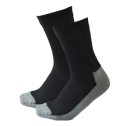
Wear breathable socks and make sure that they wick moisture away. Avoid tight or synthetic socks.
Stop the Spread
Use foot powder to dry your shoes, and put them through the wash if they are particularly old.
If symptoms continue after 2–4 weeks, then you should probably see a doctor.

How to Treat Dry Skin
Dry skin is usually very treatable, and with a couple of lifestyle adjustments, you should notice a huge improvement overall.
Apply Moisturizer
Use a thick cream or an ointment that contains petroleum jelly or ceramide. If you apply this after bathing, then you should be able to lock in moisture.
Avoid Hot Showers
Only ever use lukewarm water and keep your showers as short as possible.
Use A Gentle Cleanser
Avoid harsh soaps that strip the skin of moisture. Choose products that are free from fragrance, and use hydrating products.
When to See a Doctor
Early treatment will always be the best treatment.
You need to check with a doctor if you notice:
Athlete’s foot is spreading despite treatment.
Severe cracks, bleeding, or pus.
Extreme dryness that doesn’t respond to moisturizers.
Diabetes-related foot issues.
FAQs
Can athlete’s foot look like dry skin?
Yes, especially in early stages. But athlete’s foot usually itches more and may have a stronger odor or redness.
How do I know if it’s athlete’s foot or eczema?
Athlete’s foot usually appears between toes and has burning/itching. Eczema may appear anywhere and is often less localized.
Is athlete’s foot contagious?
Very. It spreads via towels, shoes, floors, tools, and even hand-to-foot contact.
Can I use moisturizer on athlete’s foot?
No. Moisture worsens fungus. Use antifungal cream first, and moisturize only non-infected areas.
Adrian Fuentes
Lead Product Engineer
With a strong background in engineering and a passion for creating user-focused solutions, Adrian leads the Swissklip development team with precision and innovation. Over the past decade, he has helped design and refine tools that combine cutting-edge technology with everyday practicality. Adrian is dedicated to improving quality of life through well-engineered, safe, and effective solutions, backed by rigorous research and a deep understanding of user needs. When not in the lab, he stays current with emerging trends in personal care, wellness, and health-tech innovation to ensure every product meets the highest standards.